
Islamabad, October 3, 2025 — The latest update on dengue cases in Islamabad and Rawalpindi 2025 shows a noticeable decline compared to last year, according to health officials. While the situation appears improved, authorities are warning citizens to stay alert and continue following preventive measures to stop the virus from spreading further.
During a meeting held at the Capital Development Authority (CDA) Headquarters, chaired by Federal Secretary for Health Hamed Yaqoob Sheikh, officials shared encouraging figures — 50 patients in Islamabad and 45 in Rawalpindi are currently under treatment for dengue.
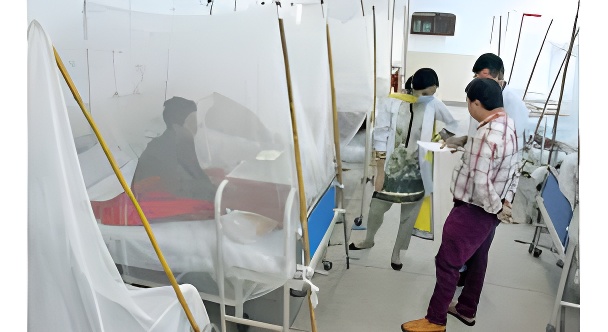
Hospitals including Capital Hospital and Pakistan Institute of Medical Sciences (PIMS) have confirmed that they have sufficient beds, medicines, and diagnostic kits available to manage any new cases that may emerge in the coming weeks.
Officials Emphasize Joint Efforts
Secretary Sheikh urged both city administrations to coordinate closely, especially in border areas, where dengue-carrying mosquitoes often spread unchecked.
“Islamabad and Rawalpindi must act as one team. Hotspot areas should be monitored continuously and preventive work must not slow down,” he said.
He called for joint field operations, better communication between departments, and quick action wherever larvae or mosquito breeding sites are found.
Awareness Seen as Key Defense
CDA Chairman and Chief Commissioner Islamabad Muhammad Ali Randhawa stressed that awareness is still the strongest weapon against dengue.
He asked authorities to make sure that precautionary messages reach every household — particularly those with children and elderly people, who are more at risk of serious illness.
Randhawa also appealed to residents to take simple steps such as covering water containers, draining standing water, and using mosquito repellents at home.
Anti-Dengue Operations Continue
Health teams from both cities are carrying out fogging and spray drives in residential and commercial areas.
The effort aims to destroy mosquito larvae early and prevent fresh breeding as the season changes. Officials say these activities will continue daily until the risk period passes.
Meeting Participants
The review meeting was attended by Commissioner Rawalpindi Amir Khattak, CDA Board Members, Deputy Commissioners, senior officers from health departments, and representatives of public hospitals.
All agreed on the need for joint surveillance and rapid response in potential dengue zones.
Public Cooperation Still Crucial
Although the overall number of dengue patients is lower than last year, experts warn that one stagnant puddle or neglected water tank can undo all progress.
Citizens are being urged to stay cautious, report mosquito breeding, and seek early treatment if they develop fever or body aches.